Nine-wavelength research guide

Red Light Therapy Wavelengths: 530–1060 nm

Wavelength helps determine where light is absorbed and what research areas it has been used to study. NrG Light combines nine independently controlled channels so users can choose green, yellow, red and near-infrared light rather than being locked into one fixed spectrum.

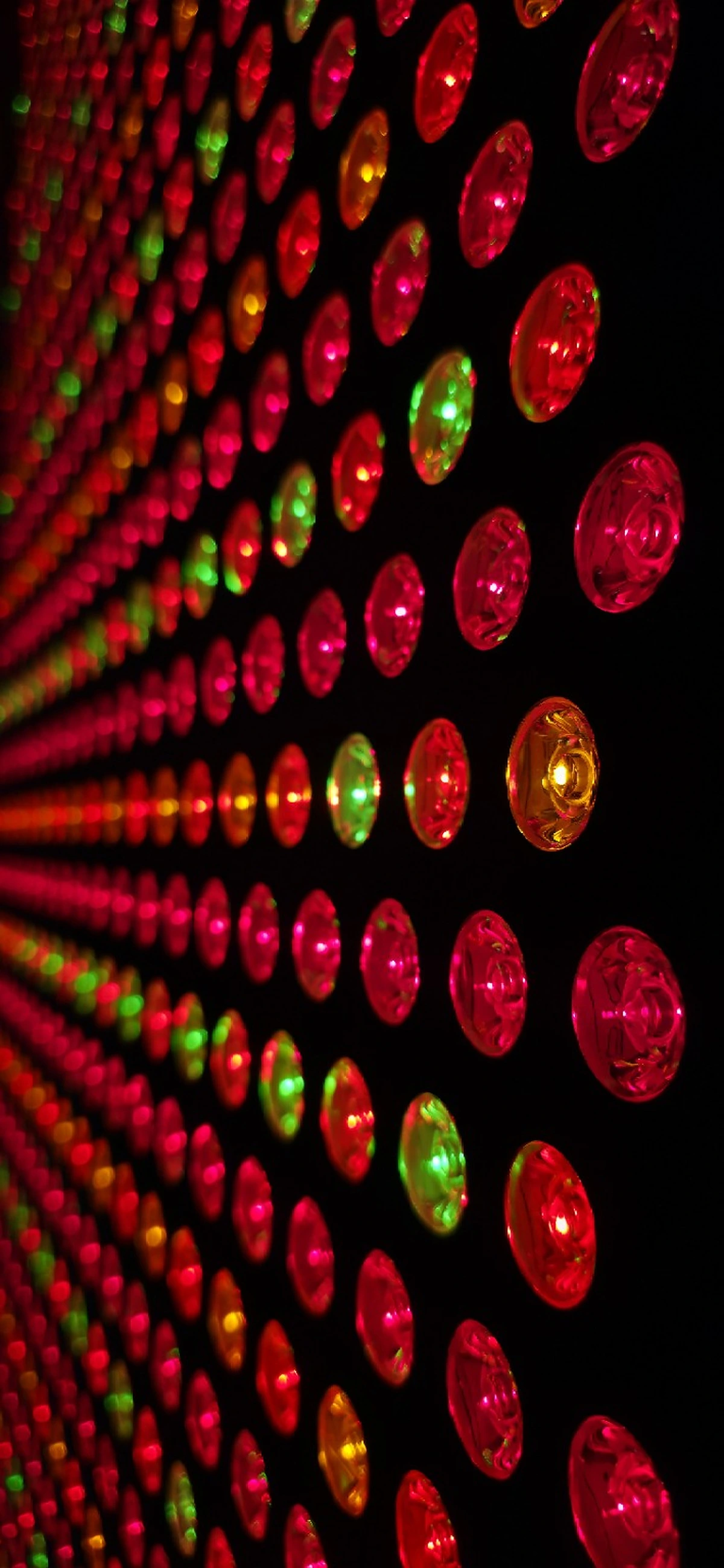
NrG Light panel LEDs displaying a multi-wavelength spectrum
Start with the basics

What does a wavelength number actually mean?

Nanometers describe the wavelength of light. Different wavelengths interact with tissue differently, but dose, power density, distance, optical bandwidth, treatment area and target tissue all matter alongside wavelength.

Visible light: 530–670 nm

NrG Light uses green, yellow and red channels across this range. Visible wavelengths are often studied for surface-oriented skin applications and cellular responses, with research questions varying substantially by color and dose.

Near-infrared: 810–1060 nm

Near-infrared light is largely invisible to the eye and is commonly used when researchers want greater tissue penetration. The amount reaching a deeper target still depends heavily on geometry, tissue composition and dose.

Peak wavelength vs. spectral band.

LEDs are specified by a peak wavelength, but their optical output spans a band around that peak. When research uses a very close source, this guide describes it by color or spectral region rather than presenting a different peak number as though it were the NrG channel.

Spectrum overview

Compare the nine NrG Light wavelengths.

These are research themes—not guaranteed benefits. The strength and relevance of evidence differs by wavelength and application.

WavelengthRegionCommon research contextNrG Light context
530 nmGreenSkin pigmentation and complexion biology, cellular signaling and ATP-related responses, visual comfort and green-light migraine research.530 nm guide →
590 nmYellowSensitive skin, visible redness, barrier function, melanin/complexion measures, sting response, wrinkles and photoaging research.590 nm guide →
630 nmRedSkin-focused PBM, photoaging, tissue-repair and general red-light research.Included in Aura, Aurora, Phoenix and SPARK
660 nmRedOne of the most common PBM wavelengths; studied across skin, exercise, recovery and tissue-response protocols.Included in Aura, Aurora, Phoenix and SPARK
670 nmDeep redMitochondrial function, visual performance, metabolic response, exercise performance, muscle soreness and recovery research.670 nm guide →
810 nmNear-infraredWidely used in deeper-tissue and transcranial PBM research.Included in Aura, Aurora, Phoenix and SPARK
830 nmNear-infraredCommon in skin, circulation, tissue-recovery and deeper-target PBM protocols.Included in Aura, Aurora, Phoenix and SPARK
850 nmNear-infraredFrequently used in muscle, exercise-recovery and deeper-tissue PBM research.Included in Aura, Aurora and Phoenix
1060 nmExtended NIRTranscranial PBM, memory, processing speed, attention, executive function and broader cognitive-performance research.1060 nm guide →

For broader PBM evidence and dose context, see Red Light 101. This table summarizes research directions rather than medical indications for NrG Light products.

Broad research references

These reviews help put wavelength-specific studies in context across photobiomodulation protocols.

Distinctive wavelength guides

Go deeper on the less common channels.

These four pages focus on the wavelengths where search intent and NrG Light differentiation overlap most strongly.

530

530 nm green light

Green-light research on skin pigmentation and complexion, ATP-related cell responses, visual comfort and migraine-related light sensitivity.

Explore 530 nm →
590

590 nm yellow light

Human skin research on sensitive skin, redness, barrier function, complexion, wrinkles and photoaging-related measures.

Explore 590 nm →
670

670 nm deep red

Exact-wavelength human research on mitochondrial function, visual performance and metabolic response, plus performance/recovery protocols.

Explore 670 nm →
1060

1060 nm near-infrared

NrG Light’s longest wavelength channel, positioned for deeper-tissue applications, joint and bone-related research, transcranial PBM and cognition.

Explore 1060 nm →
Why control matters

Nine channels are most useful when you can control them.

Aura, Aurora and Phoenix let you independently adjust each wavelength from 0–100%, rather than forcing every wavelength into one fixed blend.

Use one wavelength or a custom mix

Independent control lets you isolate a channel, combine selected visible and near-infrared wavelengths, or use a broad preset. That flexibility is useful when a research protocol emphasizes a particular spectral region.

Wavelength is only part of dose

Intensity, time, distance, treatment area and optical geometry change the delivered exposure. A larger wavelength menu does not mean every channel should be used at maximum output for every session.